
Small satellite acquisition: Contracting for success
Millennium Space Systems' Vice President of Contracts Joshua Madrigal shares how contracting plays a critical role in acquisition.

Millennium Space Systems' Vice President of Contracts Joshua Madrigal shares how contracting plays a critical role in acquisition.
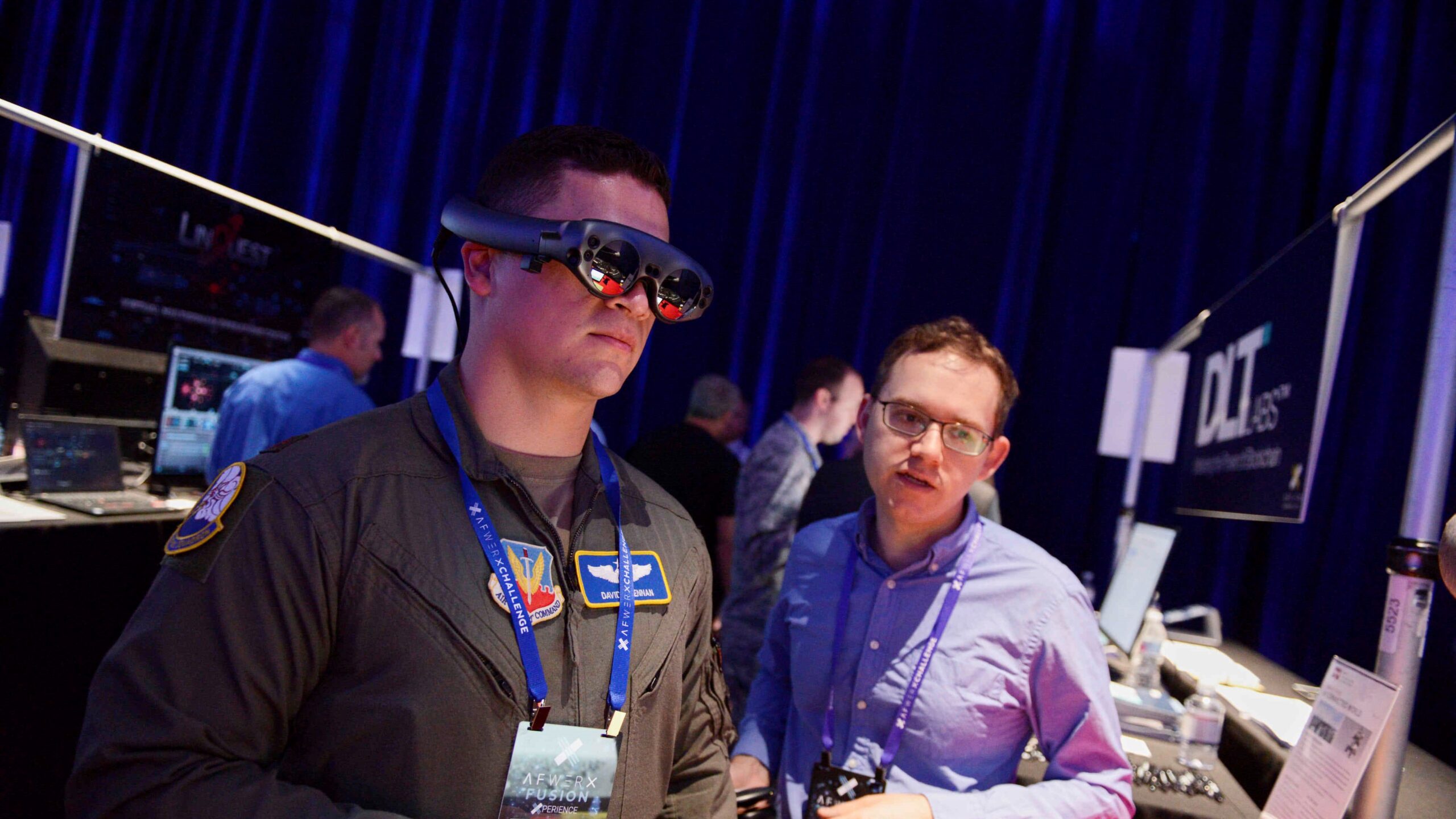
DoD needs to lower the barriers to larger defense market opportunities that go beyond R&D, extending into the full lifecycle of defense systems, argues Christopher Zember.


Cybersecurity skills must evolve in near-real time as Zero Day threats continue and AI provides new challenges.
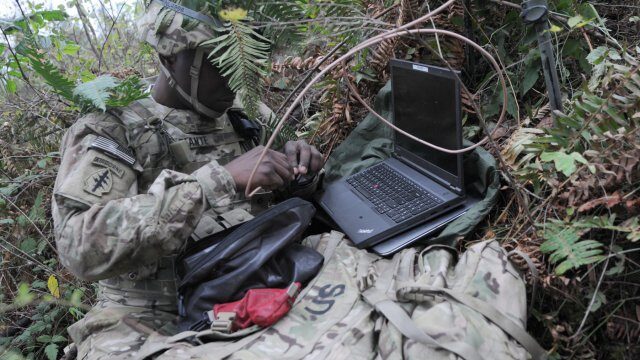
Stan Soloway and Jason Knudson dig into whether Other Transaction Authorities actually work, and whether they should become a more common tool for the DoD.

The Space & Missile Systems Center has reaffirmed its choice of NSTXL to manage the public-private Space Enterprise Consortium (SpEC), rejecting allegations by The Washington Post.

Other Transaction Authority awards have soared 712 percent since 2015, helping jumpstart R&D, including on COVID vaccines. But now the Space Force’s OTAs have been derailed by a court case against contractor NSTXL – and the whole OTA system is under fire.

Army Contracting Command still accounts for 45 percent of all DoD Other Transaction Authority obligations, but the Air Force and, belatedly, the Navy are starting to catch up.


The initial command and control gateway to earn a continuous Authority to Operate is changing multi-domain operations.
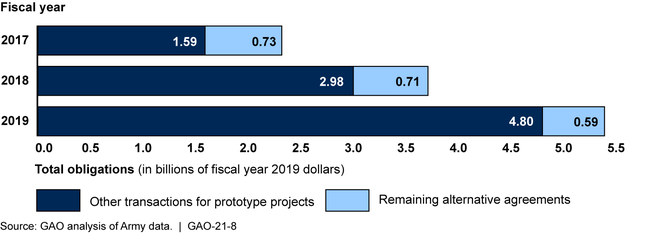
Other Transaction Authority prototyping tripled from 2017's $1.6 billion, while other non-traditional vehicles, like research grants, declined from $730 million to $590 million.

Despite disruptions worldwide, Future Vertical Lift flight tests, virtual industry days, and design reviews are all moving ahead on schedule or mere weeks behind.

The Army’s urgently developing new air-launched drones, long-range missiles, and electronic architecture to go on the Future Attack Reconnaissance Aircraft that Bell and Sikorsky are vying to build.


The company is using extensive automation and a new generation of high-efficiency gallium nitride materials to accelerate development of the Lower-Tier Air & Missile Defense Sensor, LTAMDS.
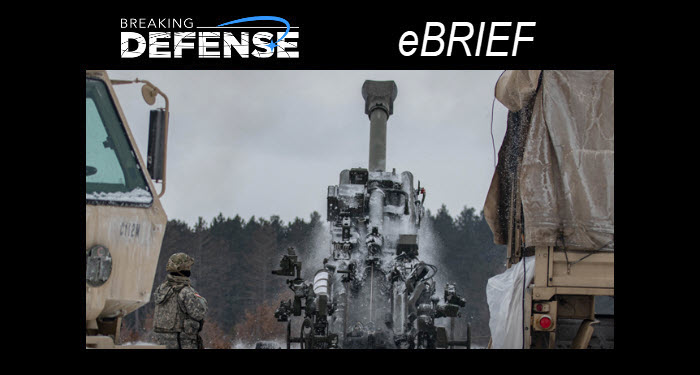
Michigan’s defense ecosystem and expertise makes it a special asset for production.
Four bases around the country will pioneer military use of the new high-speed communications network technology.

After rejecting prototype vehicles built at industry’s expense, the Army is starting over with a competition for low-cost ‘digital prototypes.’ When will they physically build something? TBD.

The experiment is expected to eventually lead to the wholesale replacement of the Air Force’s slow, cumbersome and ineffectual network with a modern, commercially procured one with improved speed, security and functionality.

If you want to prototype 5G networks on a military base, you need to join the National Spectrum Consortium first. That’s an increasingly common model.